
All About Roofing Material.
If you are replacing an existing roof, some changes will be more costly than others. If additional bracing and structural changes are required, the cost of the roof materials will not be the only thing to factor in. If you are starting from scratch building a new home, the type of roof material you can use is dependent on the design of the house. Engineers and architects design around a specific weights and materials. Altering those plans to accommodate something else will add to building costs if it is an option at all.
- Asphalt Shingles: this is the most common and cost-effective option. They are manufactured by a variety of companies in just about any color you would ever want. The two most common versions of asphalt shingles are “Three-Tab” and “Architectural”. Three-tab shingles are laid side by side and have an average life expectancy between 12-18 years. Architectural roofs are a bit better but more expensive, the shingles overlap more and last between 25-30 years. Asphalt shingles are the most common by far. The difference between 3-tab and Architectural shingles are probably the most applicable to you. That difference is relatively easy to identify. 3-tab shingles are placed next to each other with a space between like a tile floor. Architectural shingles are layered in a much more complex pattern. The difference is easy to identify even standing on the ground looking up.
- Roof Tiles: Available in several materials and shapes, the most common are the “S” shaped terracotta clay tile roofs. While they are much heavier and more expensive, they also are more energy efficient and last much longer. High quality roof tiles can last between 50-100 years. At least one manufacturer offers a 75-year warranty on their tiles.
- Wood Tiles and Wood Shake: Often confused, they are not the same. Wood tiles are cut to consistent lengths, widths and have straight edges. Wood shakes are more traditional and are split rather than cut which makes them last longer. The splitting process does not break the individual grains, they are more weather resistant and thicker than wood tiles. Cedar tile roofs can last up to 30 years while cedar shake roofs can last up to 50 years. More exotic and weather resistant wood is available, teak can last up to 80 years.
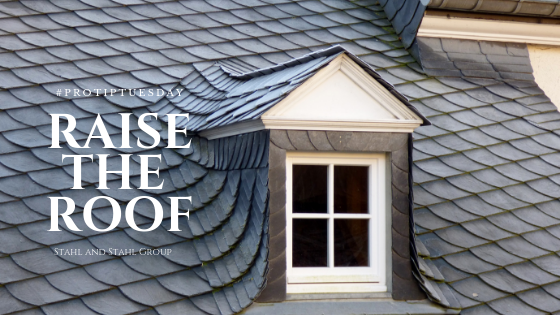
- Slate Tiles: Obviously, a slate roof will be very heavy and very expensive, but a slate roof is likely to last for more than one generation. They became very popular in northeastern states where there are large deposits of slate rock. A slate tile roof is the longest lasting with a life span up to 150 years.
- Solar tiles: These are exactly what they sound like, it is a roof made up of small solar panels. They protect your home like a traditional shingle would, but they also turn the sun’s rays into useful energy. They may very well pay for themselves a couple times over. With a life span like architectural shingles (about 30 years) they are likely to pay you back even though they are not cheap.
- Metal: While the “standing seam” metal roof is the most common, you can get metal roofs that look like shingles, tiles, shakes or just about anything else. Because they are either steel or aluminum, they can be painted any color or finish you can dream of and last between 40-70 years.
A house without a roof is useless. If you need a new roof or will need one soon, these life expectancies can be useful. Pick an option that will last at least as long as you plan to be in your home, you don’t want to go through that process many times. The better and longer lasting materials also are often more resistant to high winds and storms. It is hard to put a value on the peace of mind you have when you know the big bad wolf isn’t going to be able to blow your roof off. Keep in mind that the remaining life expectancy of your roof will have an impact on the sale of your home later. Buyers want peace of mind too. If you go with the least expensive 3-tab shingle option now, you might have to offer a credit or replace the roof when you are ready to sell.